


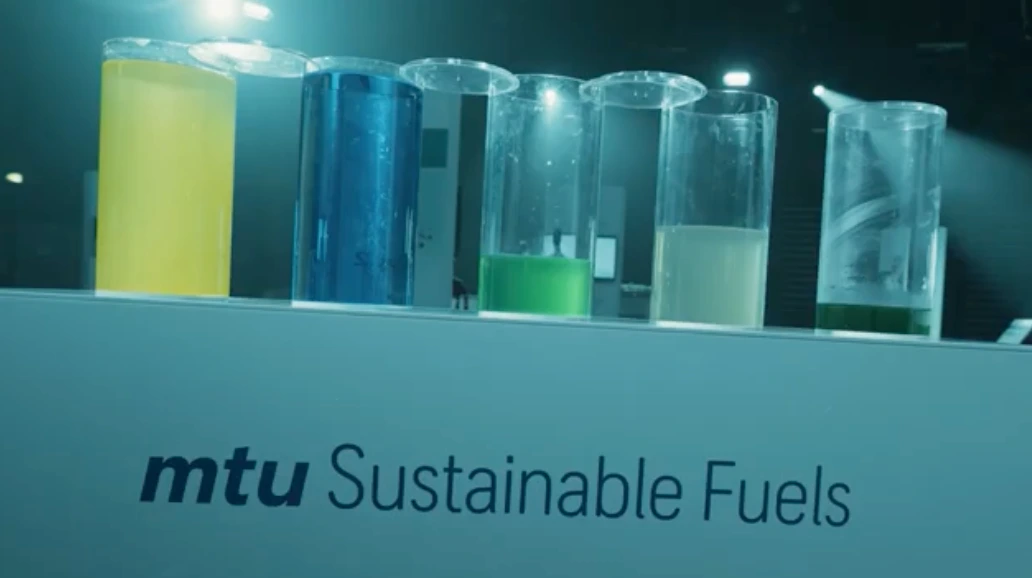
As sustainability becomes a priority across the superyacht industry, operators are increasingly exploring cleaner fuel alternatives that do not compromise performance or reliability. One of the most practical solutions currently available is Hydrotreated Vegetable Oil (HVO), a renewable diesel that can be used in many modern marine engines without requiring major system modifications.
For companies specialising in mtu yacht engine maintenance, overhauls, and genuine spare parts, understanding how alternative fuels affect long-term engine performance is essential. At Navigair, our engineers regularly support mtu-powered yachts throughout their service lifecycle, from preventative maintenance and diagnostics to full engine overhauls. As HVO becomes more widely available in Europe and key yachting hubs, we are increasingly advising clients on how it can fit into their operational and maintenance strategies.
Discover more about our mtu yacht engine maintenance
What Is HVO Oil?
Hydrotreated Vegetable Oil (HVO) is a renewable diesel produced from sustainable feedstocks such as used cooking oil, waste animal fats, and other biological residues. Unlike traditional biodiesel, HVO is created through a hydrotreatment process that results in a paraffinic fuel with very similar characteristics to conventional diesel.
For the yachting sector, this is particularly important because it means HVO can often be used as a drop-in fuel in approved diesel engines. Yachts equipped with mtu propulsion engines and generators may therefore be able to reduce emissions without redesigning their existing fuel systems.
Because of its refined chemical structure, HVO also burns more cleanly than conventional diesel, which has potential implications for engine cleanliness and exhaust emissions.
Why HVO Is Gaining Attention in the Superyacht Sector
Superyacht owners and management companies are under increasing pressure to reduce environmental impact while maintaining the performance standards expected from luxury vessels. While alternative propulsion systems such as hybrid or electric technologies are being developed, most yachts currently rely on high-performance diesel engines.
HVO provides a practical transitional solution. When produced from sustainable feedstocks, it can significantly reduce lifecycle greenhouse gas emissions compared with fossil diesel. This allows yacht operators to improve their environmental footprint while continuing to use proven propulsion systems.
For many vessels, the appeal lies in the fact that switching to HVO does not require major structural changes to the yacht’s engine room or fuel infrastructure.
Engine Performance with HVO in mtu Systems
One of the most important questions engineers ask is whether renewable fuels affect engine performance. Based on manufacturer testing and industry experience, approved mtu engines can operate on HVO while maintaining comparable power output, torque characteristics, and load response to conventional diesel.
For yachts with demanding operational profiles, including high hotel loads, long cruising distances, and rapid power demand from onboarding systems, maintaining consistent engine behaviour is critical. In practice, crew operations on HVO often report smoother-running engines and noticeably cleaner exhaust output.
From a technical standpoint, the fuel’s high purity and consistent combustion characteristics contribute to this stable performance profile.
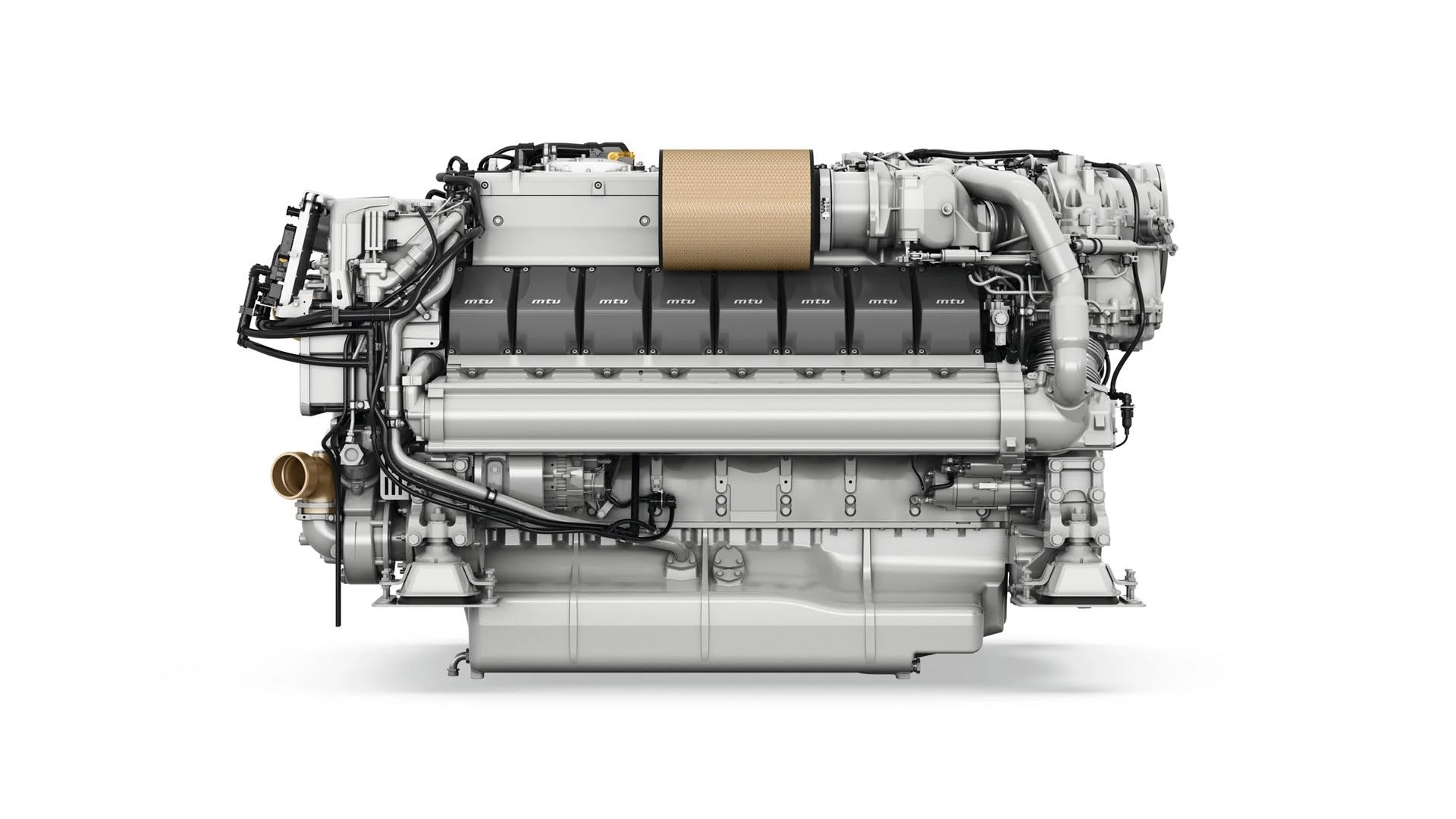
Maintenance Implications for Yacht Engineers
From a yacht engine maintenance perspective, HVO offers several characteristics that may positively influence engine condition over time.
Cleaner Combustion
Lower soot production can result in reduced carbon build-up in exhaust systems, turbochargers, and other high-temperature components. While this does not eliminate the need for scheduled maintenance, it can help maintain cleaner internal engine environments between service intervals.
Fuel Stability and Storage
Fuel degradation and microbial contamination are common concerns for yachts that remain idle for extended periods. Because HVO is chemically stable and less prone to water absorption, it may reduce the likelihood of microbial growth in fuel tanks.
For engineers responsible for fuel management, this can potentially decrease the need for tank cleaning and fuel polishing procedures.
Consistent Fuel Quality
HVO is manufactured to strict fuel standards, which results in a more consistent chemical composition than some conventional diesel blends. This consistency can support reliable injector performance and stable combustion.
However, it remains essential to follow manufacturer-approved fuel specifications and filtration practices to ensure engines continue operating within safe parameters.
Enquire about our official spare mtu parts
How HVO May Influence Engine Overhaul Planning
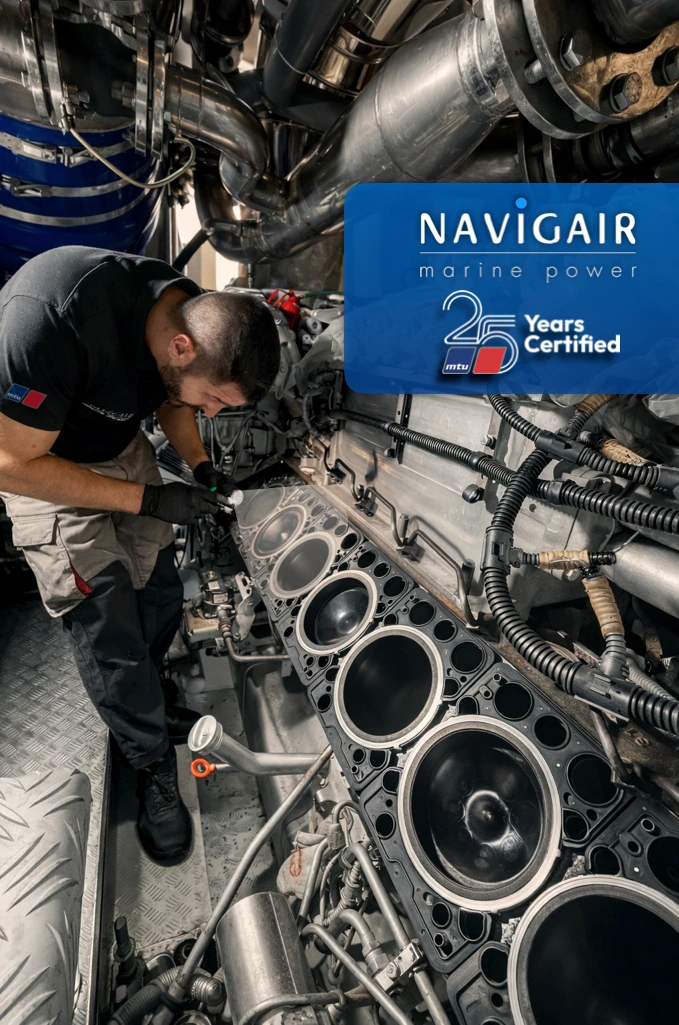
At Navigair, we routinely report the condition of removed components to chief engineers during major service intervals and mtu engine overhauls. During these procedures, components such as pistons, valves, turbochargers, and injectors are inspected for wear, deposits, and performance degradation.
Engines operating with cleaner-burning fuels like HVO may show:
- Reduced soot accumulation in exhaust gas pathways
- Lower levels of carbon deposits on certain combustion components
- Cleaner turbocharger assemblies
These factors have the potential to support more predictable maintenance planning and improved component condition at overhaul.
Nonetheless, professional inspection, OEM-approved spare parts, and proper servicing remain essential to maintaining engine reliability.
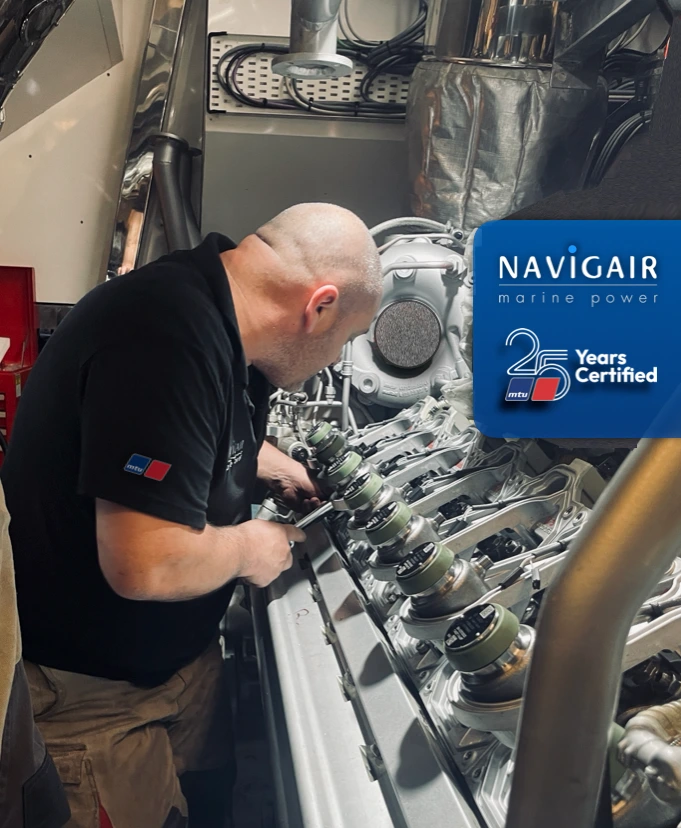
Navigair’s Role in Supporting mtu Yacht Engine Performance
As specialists in mtu yacht engine maintenance, diagnostics, spare parts supply, and overhauls, we work closely with yacht engineers, technical managers, and shipyards to maintain the reliability of high-performance propulsion systems.
Our services include:
- Preventative maintenance programmes for mtu engines
- Full mtu engine repairs and component refurbishment
- Supply of genuine mtu spare parts
- Engine diagnostics and performance monitoring
- Technical support for fuel system health and filtration
With increasing interest in HVO across major Mediterranean and Northern European bunkering locations, we also support clients by ensuring engines remain compliant with manufacturer guidelines and service best practices.
A Practical Step Toward More Sustainable Yacht Operations
While the long-term future of marine propulsion will likely include a combination of alternative fuels, hybrid systems, and new technologies, HVO currently offers one of the most practical ways for existing yachts to reduce their environmental impact.
For vessels equipped with mtu engines, it can deliver lower lifecycle emissions while maintaining the performance standards required for superyacht operations.
At Navigair, our priority is ensuring that every engine we service continues to operate safely, efficiently, and reliably. By combining hands-on engineering expertise, OEM spare parts support, and real-word maintenance experience, we help yacht operators navigate emerging fuel technologies without compromising the integrity of their propulsion systems.
Contact Navigair about your mtu yacht engine