



A successful sea trial is the ultimate validation of a yacht’s engineering integrity. Before a vessel leaves the dock, a meticulous process unfolds behind the scenes, one that ensures every component of the power system operates in perfect harmony. From engine diagnostics to propulsion alignment and gearbox performance, each stage is critical in guaranteeing reliability, efficiency, and safety offshore.
This guide walks through the complete yacht power system check, highlighting the expertise, precision, and technical procedures required to transition seamlessly from engine room preparation to open-water performance.
What Happens Between Engine Room Preparation and Sea Trial
The period between initial engine room work and a sea trial is where engineering precision meets real-world application. Our factory-trained mtu yacht technicians conduct a series of inspections, calibrations, and tests designed to eliminate risk before the vessel is pushed under load.
This phase typically includes verifying mechanical integrity, confirming electronic communication between systems, and ensuring that fuel, cooling, and lubrication systems are functioning optimally. Every adjustment made dockside directly impacts how the yacht will perform once underway, making this stage essential for preventing failures at sea.
Step-by-Step Breakdown of a Yacht Power System Check
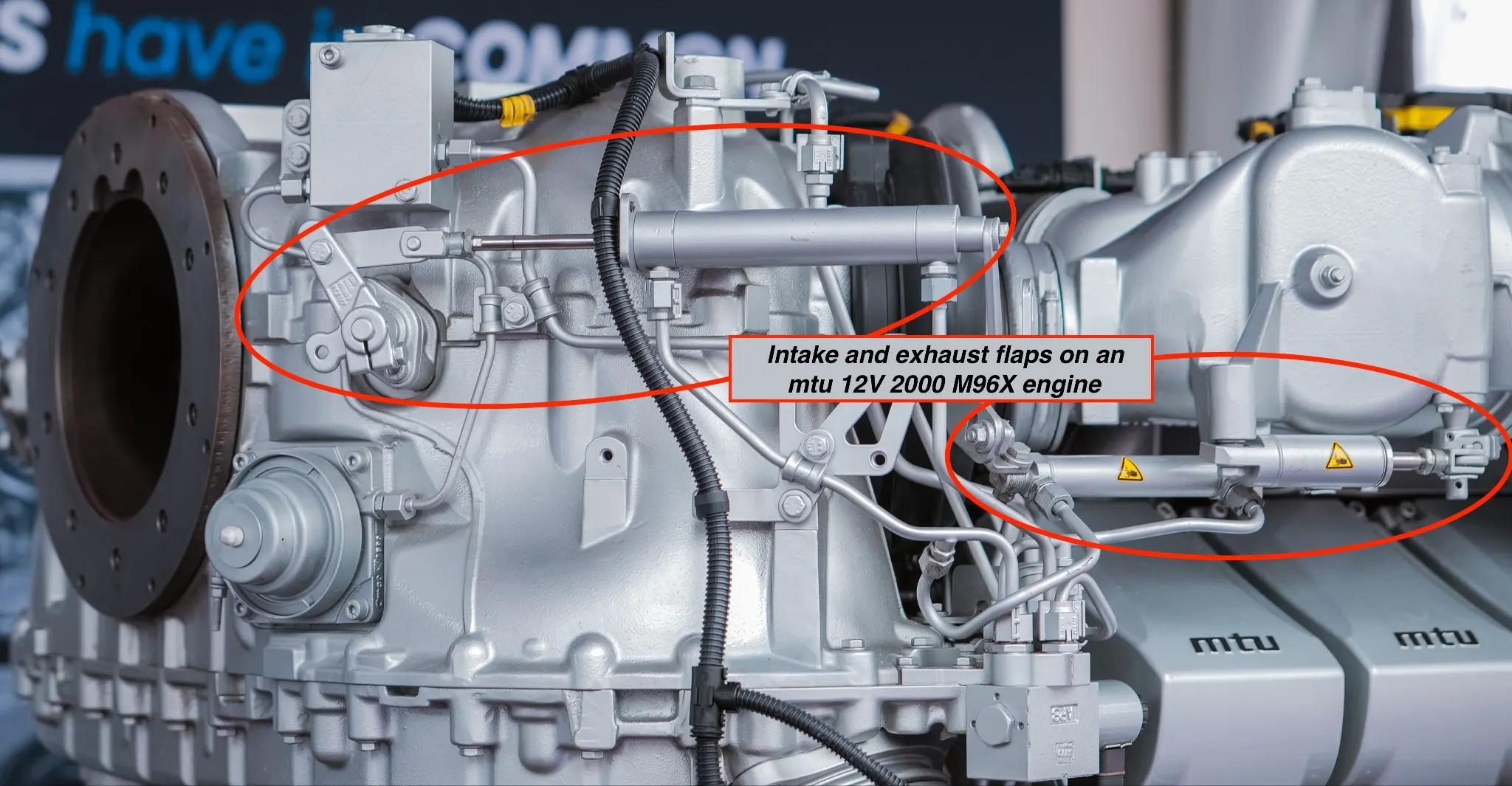
A comprehensive yacht power system check follows a structured, methodical process. Our mtu-certified technicians begin with a visual inspection, looking for leaks, corrosion, and wear across all critical components. This is followed by a series of mechanical checks, including std coolant and oil levels, air filter condition, the free movement of the air intake and exhaust rams fitted on all mtu engines, the measurement and torque verification of the engine mounts, the control of the automatic belt tensioner, etc.
Next comes the computer plug-in with mtu Diasys electronic tool and system activation, where engines, generators, and auxiliary systems are run under controlled conditions. The sea trial can start following strict phases and rpm tests matched to the commissioning and original bench test. Nearly a 1000 of parameters are recorded live during all trial duration and analysed when back in the office for report building and related recommendations. Technicians monitor temperatures, pressures, and vibration levels, ensuring all readings fall within manufacturer specifications. Any irregularities are addressed immediately, reducing the likelihood of performance issues during the sea trial.
Check out our yacht maintenance services
mtu Engine Diagnostics and Calibration Procedures
High-performance yacht engines require advanced diagnostic procedures to maintain peak efficiency. Using specialised software tools, engineers assess engine control units (MDECs, ADECs), checking for fault codes, sensor discrepancies, and performance inconsistencies.
Calibration plays a crucial role in optimising fuel injection, turbocharger response, and load distribution. Precise adjustments ensure smoother operation, improved fuel efficiency, and reduced emissions. These procedures also help extend engine lifespan, making them a vital part of pre-sea trial preparation.
ZF Gearbox Testing and Propulsion Alignment
The gearbox and propulsion system must operate in perfect synchronisation to deliver smooth and efficient power transfer. Our ZF marine engineers conduct detailed gearbox testing, assessing clutch engagement, oil pressure, and temperature stability.
Propulsion alignment is equally critical. Even minor misalignments between the engine, gearbox, and shaft can lead to vibration, increased wear, and reduced performance. Laser alignment tools are often used to achieve exact positioning, ensuring optimal efficiency and long-term reliability.
Generator Surveys: Verifying Northern Lights Power Output
Yacht generators are the backbone of onboard electrical systems, powering everything from navigation equipment to hotel loads. During generator surveys, our Northern Lights factory-trained engineers evaluate load capacity, voltage stability, and frequency consistency.
Testing under varying loads ensures the generator can handle real-world demands without fluctuation or failure. Consistent and reliable power output is essential not only for comfort but also for the safe operation of critical onboard systems.
Discover more about our service agreements
Oil and Coolant Analysis, Pressure Checks and Electronic Troubleshooting
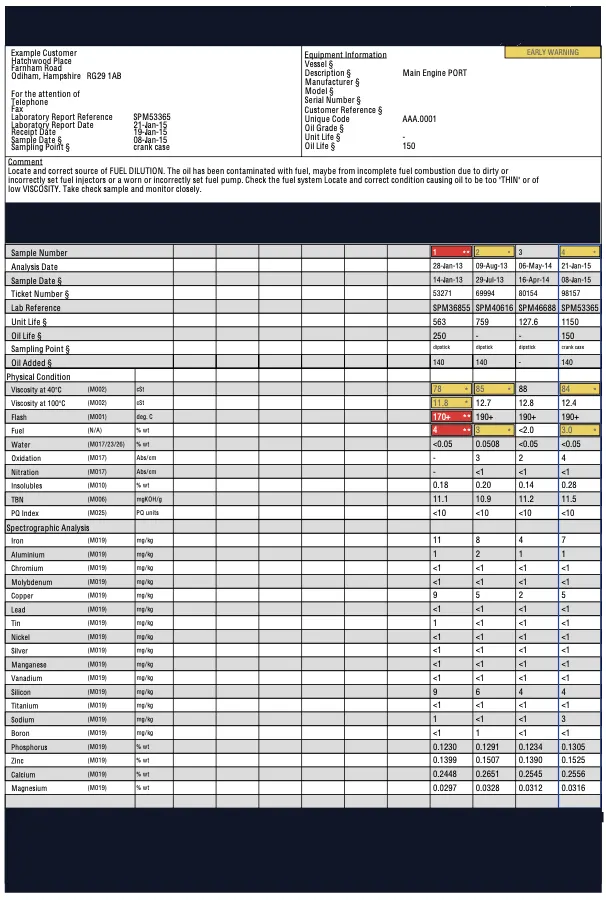
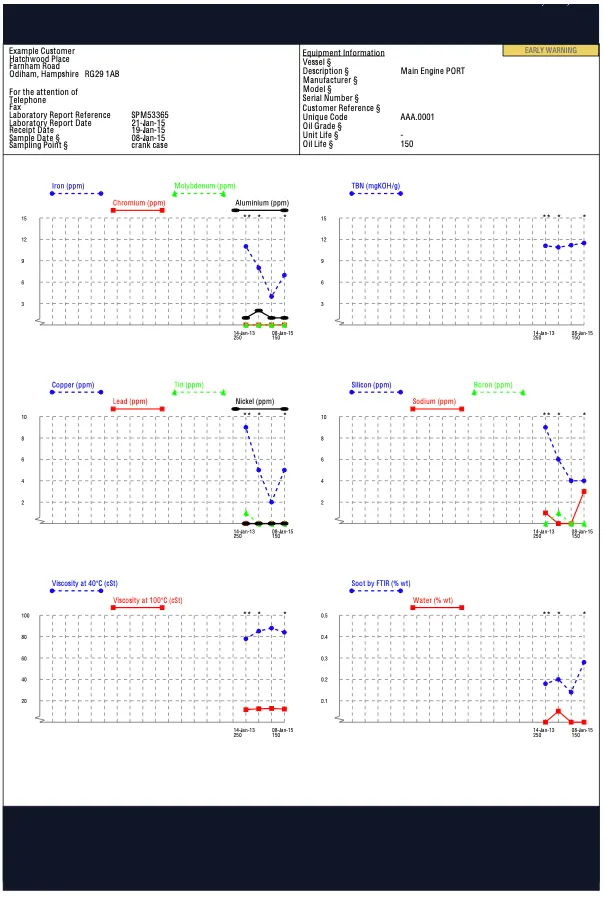
Oil and coolant analysis provides valuable insights into the internal condition of engines and gearboxes. By examining oil and coolant samples, engineers can detect early signs of wear, contamination, or component failure, often before they become visible issues.
Pressure checks across fuel, oil, and cooling systems confirm that all fluids are circulating correctly. At the same time, electronic troubleshooting ensures that sensors, alarms, and control systems are fully operational. This integrated approach allows engineers to identify and resolve hidden issues before the yacht leaves the dock.
Final Steps Before Sea Trial
Before departure, all systems undergo final synchronisation. Engines, gearboxes, and generators are tested together to confirm seamless communication and load sharing. Engineers simulate operational conditions, verifying throttle response, acceleration, clutch activation, and system stability.
This stage ensures that every component works as a unified system rather than as individual parts. The goal is to eliminate any inconsistencies that could affect performance during the sea trial, providing confidence in the vessel’s readiness.
Why A Certified Marine Service Technician Ensures A Successful Sea Trial
A certified marine service technician combines technical expertise with practical experience. Only trained and certified technicians have access to the latest technical information issued by the manufacturer, enabling them to provide accurate recommendations based on a clear understanding of it. Their command of complex yacht systems allows them to identify subtle issues that less experienced personnel might overlook.
Beyond diagnostics and repairs, certified professionals adhere to industry best practices and manufacturer guidelines, ensuring compliance and reliability. Their involvement significantly reduces the risk of unexpected failures, helping yacht owners and captains achieve a smooth and successful sea trial.
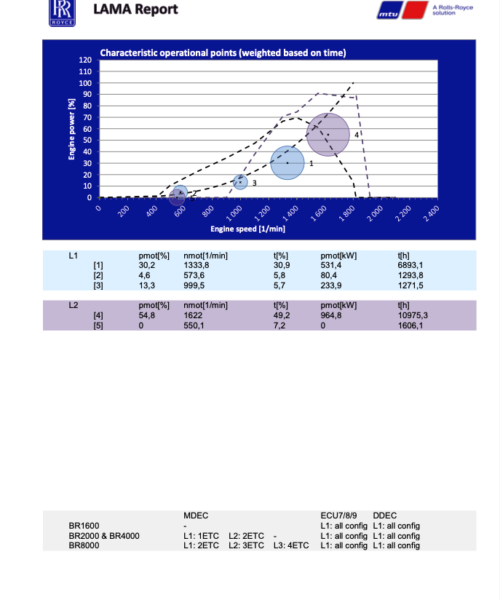
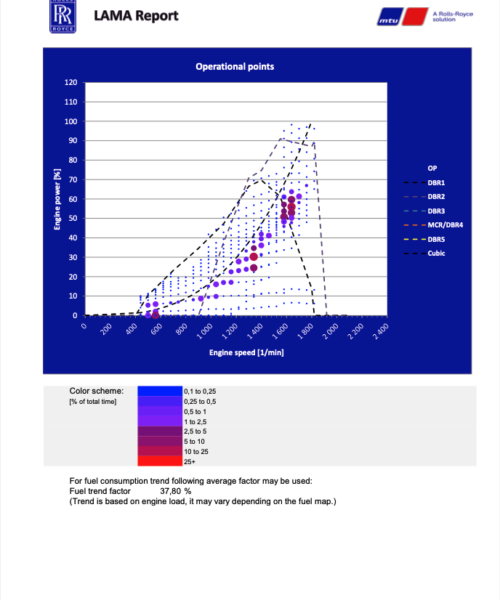
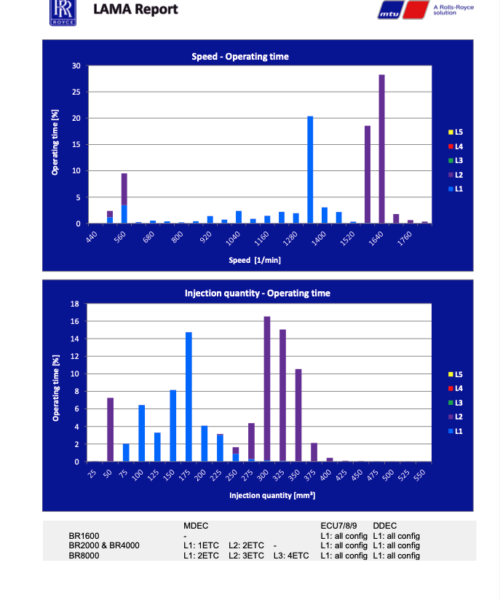
In addition to a complete engine inspection and the recording of all operating parameters for analysis, the sea trial is the ideal opportunity to complete a LAMA report. This report draws on the engine’s service life and the load applied throughout it, enabling a certified company to verify the load factor against the maintenance schedule at every level: QL2, QL3, the TBO, and the QL4 service.
By investing in a thorough yacht power system check, you ensure that your vessel performs exactly as expected when it matters most, out on the water. From engine room preparation to final validation, every step is designed to deliver confidence, safety and optimal performance at sea.